
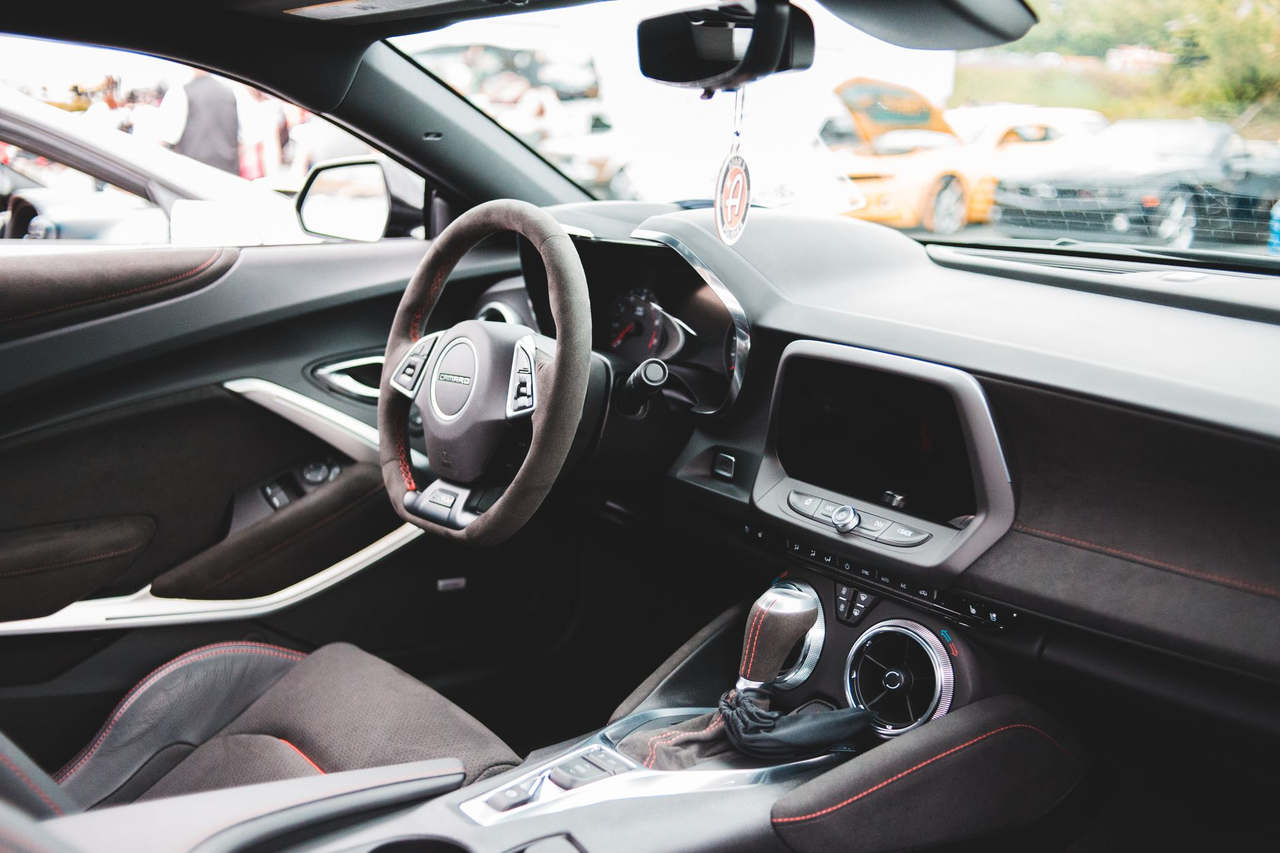
Picture yourself parked at a charging station, controller in hand, racing through digital worlds on your dashboard screen. Automakers have transformed vehicles into mobile entertainment hubs. Gaming behind the wheel sounds futuristic, yet several manufacturers now offer this feature as standard equipment.
The concept raises eyebrows. Screens designed to display navigation and vehicle data now double as gaming consoles. Tesla pioneered this space with its Arcade feature, allowing drivers and passengers to play dozens of titles while the vehicle sits stationary. Other luxury brands have followed suit, integrating gaming capabilities into their infotainment systems.
What Gaming Features Actually Exist in Modern Vehicles
Tesla remains the frontrunner in automotive gaming. The company’s vehicles include classic titles like Cuphead, Stardew Valley, and even a version of the notoriously difficult Cyberpunk 2077. Players can connect wireless controllers via Bluetooth. The system uses the same processing power that handles Autopilot calculations.
Mercedes-Benz partnered with developers to create an in-car gaming platform. The system works through the MBUX interface. BMW offers casual games through its iDrive system. These experiences pale compared to Tesla’s offerings but signal industry interest.
Most systems include built-in safety measures. The vehicle must be in park mode. Some manufacturers require the parking brake to engage. Tesla initially allowed gaming while driving, but the National Highway Traffic Safety Administration intervened. The company quickly issued an update restricting gameplay to parked vehicles only.
The Psychology Behind Parking Lot Entertainment
Why do automakers invest in gaming features? Electric vehicles require lengthy charging sessions. A full charge might take anywhere from 20 minutes to over an hour. Drivers need distractions during this downtime.
Traditional waiting feels interminable without engagement. Smartphones provide entertainment, but automakers want to create ecosystem loyalty. If your vehicle entertains you, you may stay within that brand family. Gaming transforms tedious waiting into productive leisure time.
Families benefit most from these features. Children grow restless during long trips. In-vehicle entertainment systems prevent meltdowns. Parents gain peace of mind knowing their kids stay occupied without relying solely on tablets or phones.
Performance Capabilities and Limitations
Vehicle computing systems face unique constraints. Temperature extremes affect performance. A car baking in summer heat cannot sustain the same processing speeds as a climate-controlled gaming console. Battery drain becomes a concern, especially for electric vehicles already managing range anxiety.
Graphics quality varies dramatically between models. High-end vehicles feature processors comparable to last-generation gaming consoles. Budget implementations offer simple puzzle games with minimal system requirements. The best experiences come from vehicles with dedicated GPUs and substantial RAM allocation.
Cloud gaming may represent the future. Services like GeForce Now or Xbox Cloud Gaming eliminate hardware limitations. Vehicles need only a strong internet connection. Starlink integration in some vehicles hints at this direction.
Safety Concerns That Keep Regulators Awake at Night
The primary worry remains driver distraction. Even with safeguards preventing gameplay while moving, temptation exists. Drivers might attempt to bypass restrictions. A few seconds of diverted attention can cause catastrophic accidents.
Research from NHTSA shows distracted driving kills thousands annually. Adding entertainment systems increases risk vectors. Passengers gaming in the front seat create visual distractions. Bright screens affect night vision. Audio from games may mask important environmental sounds like sirens or horns.
Some experts worry about psychological conditioning. If drivers associate their vehicles with entertainment rather than transportation, focus may suffer. The vehicle becomes a playroom instead of a responsibility-laden machine.
Geofencing and Technical Safeguards
Manufacturers implement multiple safety layers. GPS systems verify the vehicle remains stationary. Motion sensors detect any movement. Some systems check whether seat belts are unbuckled, assuming passengers rather than active drivers are playing.
Tesla’s approach evolved after regulatory pressure. Initial versions allowed passenger gaming while the vehicle moved, provided someone sat in the passenger seat. The company argued this accommodated legitimate use cases. Regulators disagreed, viewing the feature as unnecessarily risky.
Future systems may use camera technology to verify driver attention. If the system detects the driver looking at the gaming screen, it could pause gameplay automatically. Biometric sensors might confirm which occupant holds the controller.
Insurance Industry Response and Premium Implications
Insurers evaluate risk constantly. In-vehicle gaming introduces new variables into their calculations. Some companies now ask about gaming features during application processes. Vehicles equipped with entertainment systems may face slightly higher premiums.
The logic mirrors other technology-based adjustments. Advanced safety features like automatic emergency braking reduce premiums. Features that potentially distract drivers increase them. The offset depends on the insurer’s risk models and claims data.
Data collection plays a crucial role. Telematics devices monitor driving behavior. If gaming features correlate with riskier driving patterns, insurers will adjust accordingly. Currently, insufficient data exists to draw firm conclusions. Early adopters may see minimal impact.
Liability Questions in Accidents
Who bears responsibility if a gaming feature contributes to an accident? Manufacturers face potential lawsuits if their systems fail to prevent misuse adequately. Drivers cannot blame the technology if they deliberately circumvent safety measures.
Legal precedent remains murky. Courts have not yet ruled definitively on gaming-related vehicle incidents. The situation resembles early smartphone distraction cases. Initial rulings established driver responsibility regardless of device capabilities.
Product liability attorneys watch this space carefully. If evidence shows a manufacturer’s safeguards were insufficient, class action lawsuits may follow. The Federal Trade Commission scrutinizes advertising claims about these features as well.
The Road Trip Revolution for Families
Practical benefits outweigh concerns for many families. Road trips traditionally test patience. Children ask “are we there yet” repeatedly. In-vehicle gaming provides legitimate relief.
Modern systems allow multiplayer experiences. Siblings can compete cooperatively rather than arguing over backseat space. Parents gain mental bandwidth to focus on driving. The noise level might increase, but stress decreases.
Educational games offer additional value. Children can learn while traveling. Geography games make sense during cross-country trips. Math and puzzle games keep minds active. The vehicle becomes a mobile classroom.
Charging Station Culture Shifts
Electric vehicle owners report forming communities around charging stations. Gaming adds a social element. Players share tips and recommendations. Friendly competitions emerge. The charging experience transforms from inconvenience to entertainment.
Some charging networks now advertise gaming-friendly amenities. Comfortable seating areas appear near charging stalls. WiFi infrastructure improves to support online gaming. The ecosystem adapts to accommodate this new use case.
What Future Developments May Bring
Automakers continue investing in entertainment features. Virtual reality integration seems probable. Passengers might wear headsets, experiencing immersive environments while the vehicle handles navigation autonomously.
Augmented reality could blend gaming with travel. Imagine playing a location-based game that incorporates your actual route. Historical information might overlay landscapes. Interactive tours could gamify education.
Autonomous vehicles will eliminate many safety concerns. When no human drives, entertainment restrictions become unnecessary. The vehicle transforms into a mobile living room. Gaming, movies, and video calls all become acceptable activities.
Processing power will improve dramatically. Vehicles may eventually match or exceed home gaming console capabilities. Ray tracing and photorealistic graphics could arrive in automotive settings. Battery technology advances will reduce concerns about power consumption.
Making Smart Decisions About In-Vehicle Gaming
Should you seek out vehicles with gaming features? The answer depends on your usage patterns. Frequent road trippers benefit most. Daily commuters may never use the capability.
Consider your family composition. Young children gain substantial entertainment value. Teenagers might prefer their own devices. Solo drivers find little benefit beyond charging station downtime.
Evaluate your insurance implications. Contact your provider before purchasing a vehicle with gaming features. Ask whether the capability affects your premiums. Some insurers offer discounts for vehicles with comprehensive safety systems that may offset any gaming-related increases.
Test the features before committing. Dealerships should allow demonstrations. Assess the game library quality. Check whether the system requires subscriptions or in-app purchases. Some manufacturers charge additional fees for premium gaming content.
The automotive gaming revolution has arrived. Vehicles now serve multiple purposes beyond transportation. Safety concerns remain valid, but manufacturers and regulators work to address them. For families and electric vehicle owners, the benefits may justify any potential risks. The key lies in responsible use and maintaining perspective about the primary purpose of any vehicle: getting you safely from origin to destination.
Leave a Reply