
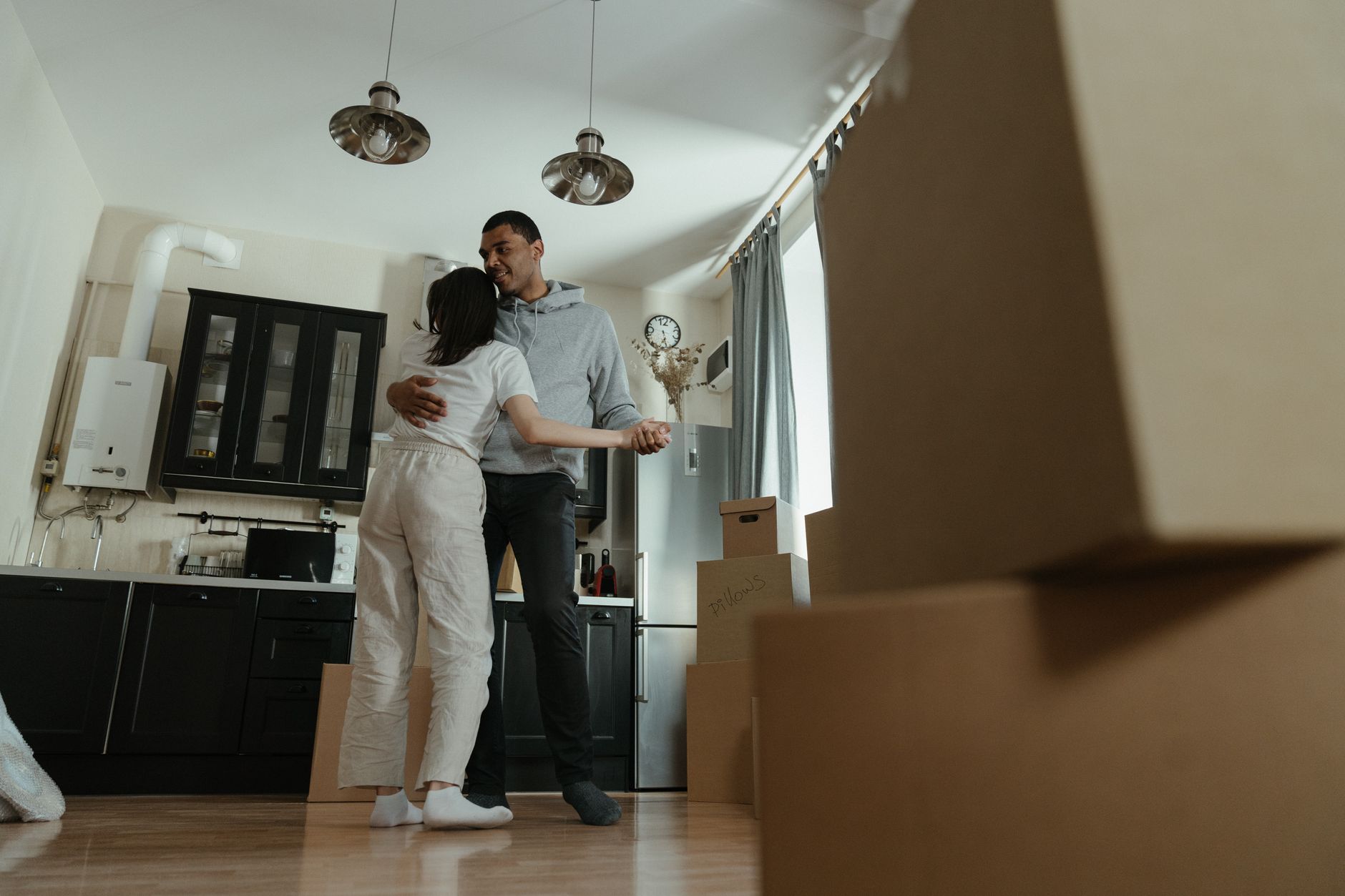
A security deposit is often one of the largest sums of money a renter hands over, and getting it back usually depends on one question: what did the place look like when you moved in, and what did it look like when you left? If you cannot answer that with evidence, disputes turn into your word against the landlord’s. Learning how to document your rental’s condition is the most practical way to protect your security deposit, and the work is mostly done with the phone already in your pocket.
Know the Rules That Protect Your Security Deposit
Security deposit rules are set by state law (and sometimes city law), so details vary. Still, the general shape is similar in many places. In California, for example, the courts’ self-help guide explains that a landlord has 21 days after move-out to return the deposit or send an itemized statement of deductions, that deductions over $125 must come with receipts or invoices, and that landlords cannot deduct for normal wear and tear. Wisconsin’s consumer protection agency notes that tenants there have seven days to submit a check-in report of pre-existing conditions.
Look up your own state’s rules before you move in. USAGov keeps a page on tenant rights that points to state agencies, attorney general offices, and tenant handbooks.
Normal wear and tear vs. damage
- Usually wear and tear: lightly scuffed paint, minor carpet wear in walkways, faded blinds, loose door handles from years of use.
- Usually damage: large holes in walls, burns or stains in carpet, broken windows, pet scratches on doors, missing fixtures.
Your documentation is what lets you show which category a problem falls into, and whether it was there before you arrived.
The Move-In Inspection: Your Most Important Documentation
Most deposit disputes are won or lost on move-in day. Before you unpack a single box, do a full walkthrough, ideally with the landlord or property manager present.
- Get the landlord’s checklist if they have one. If not, make your own (see below).
- Go room by room in the same order each time: ceiling, walls, windows, floor, fixtures, appliances.
- Test everything: taps, toilets, outlets, lights, smoke detectors, appliances, heating and cooling, windows and locks.
- Write down every defect, no matter how small, and photograph it.
- Have both parties sign and date the completed checklist, and keep a copy.
- Submit it in writing within any deadline your state or lease sets, and keep proof that you sent it.
How to Photograph and Video Your Rental’s Condition
Good photo evidence is clear, complete, and provably dated. Aim for documentation that a stranger could look at a year later and understand.
Photos
- Shoot a wide photo of each wall in each room, then close-ups of any marks, with something for scale (a coin or tape measure).
- Photograph inside appliances: oven, fridge, dishwasher, microwave.
- Do not forget closets, under sinks, window tracks, baseboards, balcony, garage, and storage areas.
- Keep the original files. Phone photos carry date and time metadata, which edited or screenshot copies may lose.
Video
- Record one continuous walkthrough without stopping, narrating the room and date as you go.
- Move slowly, and pause on problem areas.
- Show running taps, working burners, and lights switching on.
Back it up
Store copies somewhere other than your phone, such as cloud storage or email them to yourself, so the date is recorded independently. If you want everything for one property organized together, an app such as ProofKit can keep your timestamped photos, videos, and notes in one place.
A Walkthrough Checklist You Can Reuse at Move-Out
Use the same list at move-in and move-out so the two records line up.
- Entry and living areas: doors and locks, walls, ceiling, flooring or carpet, windows and screens, blinds, light fixtures, outlets.
- Kitchen: cabinets and drawers, countertops, sink and tap, stove and oven, hood fan, fridge and freezer, dishwasher, floor.
- Bathrooms: toilet, sink, tub or shower, grout and caulking, mirror, exhaust fan, towel bars, signs of mould or leaks.
- Bedrooms: closets and doors, walls, flooring, windows.
- Systems: heating, air conditioning, water heater, smoke and carbon monoxide detectors.
- Exterior and extras: balcony, patio, yard, parking space, storage unit, keys and remotes (count them).
Move-Out Steps That Help You Get Your Deposit Back
- Give proper written notice according to your lease, and keep a copy.
- Request a pre-move-out inspection if your state allows it. In California, tenants can ask for one so they have a chance to fix issues before leaving.
- Clean thoroughly and repair anything you damaged.
- Repeat your photos and video from the same angles you used at move-in, after the place is empty and clean.
- Return all keys and get a written receipt or send an email confirming the date and number of keys.
- Give your forwarding address in writing. The landlord needs it to send your deposit and any itemized statement.
Put Everything in Writing
Phone calls and hallway conversations are hard to prove. Whenever you report a repair, agree on something, or ask about your deposit, use email or a letter and keep a copy. If you do discuss something in person, send a short follow-up email: “Thanks for meeting today. Confirming that you agreed the carpet stain in the bedroom was there at move-in.” Keep your lease, the signed checklists, repair requests, and all photos together in one folder.
If your deposit is not returned on time or you disagree with the deductions, send a written request with copies of your evidence. If that does not resolve it, small claims court is often an option. Free legal help may be available through LawHelp.org, which connects people with nonprofit legal aid in their state. For advice on your specific situation, contact a local tenant rights organization or a landlord-tenant attorney.
Frequently Asked Questions
Can my landlord keep my deposit for normal wear and tear?
In many states, no. Deductions are generally limited to unpaid rent, cleaning beyond normal use, and damage beyond normal wear and tear, but check your own state’s law.
Are phone photos good enough evidence for a deposit dispute?
Usually, yes, if they are clear, complete, and dated. Keep the original files with their metadata and back them up somewhere with an independent timestamp, such as email or cloud storage.
What if I didn’t document my rental at move-in?
Document it thoroughly now and at move-out anyway. Look for older evidence too, such as listing photos, emails about repairs, or messages that mention existing problems.
Photo by cottonbro studio on Pexels
Leave a Reply