
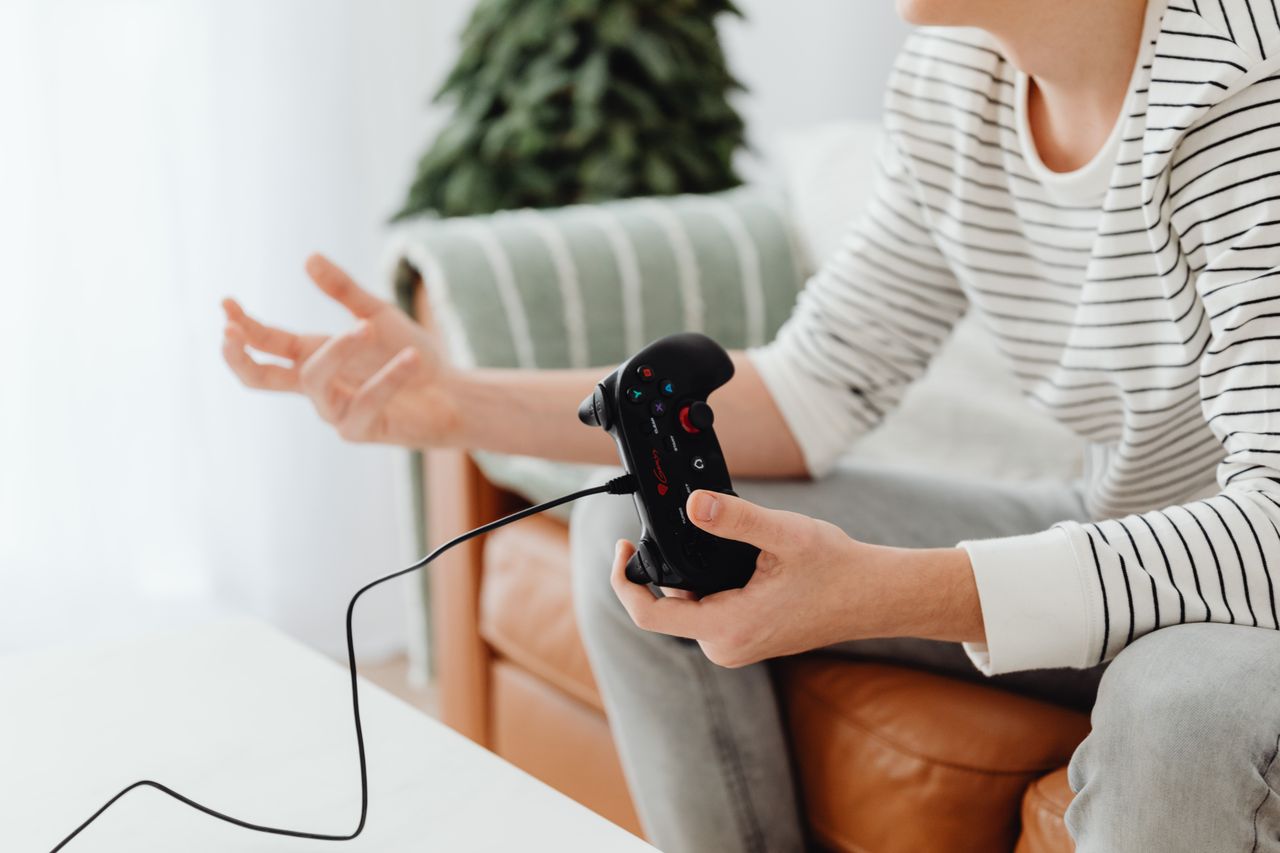
Online gaming has evolved into a social battlefield where children face verbal abuse daily. Profanity flies freely. Strangers hurl slurs. Adults berate kids over lost matches. Voice chat transforms entertainment into psychological warfare for young players.
Most parents remain unaware their children endure harassment through gaming headsets. Kids rarely report toxicity because they fear losing gaming privileges. The conversation happens in real time, leaving no text trail for review. Toxic voice chat operates in a parental blind spot.
This guide provides tactical methods to neutralize threats before they reach your child’s ears.
Understanding the Real Dangers Beyond Bad Words
Profanity represents the least concerning element of toxic voice chat. Children hear worse language at school playgrounds. The genuine hazards involve psychological manipulation, targeted harassment, and predatory behavior.
Groomers use voice communication to build trust rapidly. A friendly adult voice carries authority that text messages cannot match. These individuals befriend isolated children, gradually normalizing inappropriate conversations. Voice interaction accelerates relationship building in dangerous ways.
Repeated verbal abuse creates lasting psychological damage. Studies from the American Psychological Association demonstrate that online harassment produces anxiety, depression, and diminished self-worth in adolescents. Kids internalize criticism from anonymous strangers as valid assessments of their character.
Doxing threats emerge frequently in competitive games. Angry players threaten to publish personal information after heated matches. Children sometimes reveal identifying details without recognizing the risk. Home addresses, school names, and full names slip out during casual conversation.
Which Games Present the Highest Risk
Competitive multiplayer games generate the most toxic environments. Fortnite, Call of Duty, Valorant, and League of Legends top the list. Team-based gameplay creates finger-pointing when matches go poorly. Players scapegoat the weakest performer, often targeting younger voices.
Open-world social games like Roblox and Minecraft multiplayer servers present different dangers. These platforms attract younger audiences, which unfortunately also attracts predators. The casual, creative nature of these games encourages prolonged social interaction and friendship formation.
Battle royale games combine both risk factors. Random teammate assignment forces children into voice chat with strangers. The high-stress nature of survival gameplay triggers aggressive outbursts from adult players who resent being matched with children.
Platform-Specific Safety Controls That Actually Work
Each gaming platform provides parental controls, though effectiveness varies dramatically. PlayStation, Xbox, Nintendo Switch, and PC platforms each require separate configuration.
PlayStation 5 offers robust communication filtering. Navigate to Settings, then Family and Parental Controls, then select your child’s account. Disable voice chat entirely or restrict communication to approved friends only. The Communication and User-Generated Content section allows granular control over who can contact your child.
Xbox Series X and Series S provide the Family Settings app for smartphones. This application allows remote monitoring and adjustment of communication permissions. Set the account to “Block” under “Others can communicate with voice, text, or invites.” This nuclear option prevents all incoming communication from strangers.
Nintendo Switch lacks sophisticated communication controls because most games do not support native voice chat. Games like Fortnite use separate mobile apps for voice communication, bypassing Nintendo’s protections entirely. Parents must monitor smartphone app installations to maintain control.
PC gaming presents the greatest challenge because multiple platforms host games. Steam, Epic Games Store, and individual game launchers each maintain separate social systems. Each requires individual configuration to disable voice chat.
In-Game Settings That Override Platform Controls
Platform restrictions may not prevent in-game voice chat. Many popular games include built-in communication systems that ignore console-level parental controls. Parents must configure settings within each game separately.
Fortnite buries voice chat controls under the settings menu. Press the menu button, select the gear icon, navigate to Audio settings, then scroll to Voice Chat. Toggle Voice Chat from “On” to “Off.” Fortnite resets this setting occasionally after updates, requiring periodic verification.
Roblox allows account-level communication restrictions. Log into the parent account on the Roblox website, not the app. Navigate to Settings, then Privacy. Under “Who can chat with me in app?” select “No one.” Under “Who can message me?” select “No one.” The app interface does not expose these critical settings.
Minecraft Java Edition requires server-specific configuration for Realms. The Bedrock Edition used on consoles respects platform parental controls more reliably. Third-party Minecraft servers bypass all safety controls, making server selection crucial for child safety.
Third-Party Voice Applications Require Separate Lockdown
Discord dominates gaming communication but operates independently from games themselves. Teenagers favor Discord because conversations continue between gaming sessions. Friend groups maintain persistent voice channels that parents cannot monitor through game-specific controls.
Discord offers limited parental controls compared to gaming platforms. The service recommends parents maintain access to their child’s account credentials. Regular account audits reveal which servers children have joined and who appears on their friends list.
Discord server owners control safety features, not parents. Public servers expose children to thousands of unvetted users. Server moderation quality varies from excellent to nonexistent. Children should only join private servers that parents have investigated personally.
Restricting Discord installation provides more reliable protection than attempting to configure safety settings within the application. The Federal Trade Commission recommends parents evaluate whether children need access to social communication platforms separate from games themselves.
Monitoring Without Destroying Trust
Surveillance tactics damage parent-child relationships when deployed secretly. Transparency about monitoring preserves trust while maintaining safety. Children deserve explanation about why voice chat restrictions exist.
Periodic account reviews work better than constant surveillance. Schedule monthly conversations to review friend lists, recent players, and communication logs where available. Frame these discussions as collaborative safety checks rather than interrogations.
Playing games alongside children provides organic monitoring opportunities. Join gaming sessions regularly to experience the communication environment firsthand. Your presence moderates behavior from other players who recognize an adult is listening.
Recording software creates evidence of harassment when escalation becomes necessary. Programs like OBS Studio can capture voice chat audio for review. Inform your child that recording exists to protect them, not punish them. Recordings become crucial evidence when reporting severe harassment to platform administrators or law enforcement.
Teaching Communication Skills That Protect
Technical controls fail occasionally. Children need personal strategies to recognize and exit toxic situations independently. Role-playing exercises prepare kids for real confrontations.
Practice identifying manipulation tactics together. Teach children that adults who discourage them from telling parents about conversations are exhibiting predatory behavior. Friendly strangers who ask personal questions require immediate disconnection and parental notification.
The mute function empowers children to silence individual players without leaving matches. Most games allow muting through the scoreboard or player list. Muting should become automatic when any player uses slurs, becomes hostile, or makes anyone uncomfortable.
Reporting tools within games and platforms serve crucial functions despite feeling ineffective. Each report creates documentation. Platforms ban repeat offenders only after accumulating multiple reports. Encourage children to report harassment, explaining that their action protects future victims even if immediate consequences remain invisible.
Warning Signs Your Child Has Experienced Harassment
Behavioral changes often indicate ongoing harassment that children hide from parents. Increased secrecy about gaming activities suggests problematic interactions. Children who suddenly angle screens away from doorways or switch to single-player games may be avoiding toxic environments.
Mood changes after gaming sessions reveal harmful experiences. Depression, irritability, or anxiety following gameplay indicate negative social experiences. Children may not connect their emotional state to gaming harassment, instead blaming schoolwork or other stressors.
Physical symptoms manifest from sustained stress. Headaches, stomachaches, and sleep disturbances appear in children experiencing ongoing harassment. The body responds to psychological threats even when children minimize verbal descriptions of toxicity.
Social withdrawal from previously enjoyed games signals serious issues. When children abandon favorite games suddenly without clear explanation, harassment has probably made the environment intolerable. They sacrifice enjoyment rather than confront the abuse or inform parents.
When to Escalate Beyond Basic Controls
Some situations demand stronger responses than configuration changes. Credible threats require law enforcement involvement regardless of whether they originate in games. Threats of violence, self-harm encouragement, and sexual solicitation constitute crimes.
Platform abuse reports provide the first escalation step. Xbox, PlayStation, Steam, and other platforms employ moderation teams that investigate reported communication. Submit reports immediately after incidents occur while evidence remains fresh. Include screenshots or recordings when possible.
School notification becomes necessary when harassment involves classmates. Gaming toxicity frequently extends from school conflicts. Administrators need awareness when students harass peers through gaming platforms, as this constitutes cyberbullying under most school policies.
The National Center for Missing and Exploited Children operates CyberTipline for reporting online enticement and exploitation. Contact this resource when adults solicit personal information, request photographs, or propose meeting in person. These reports feed directly to law enforcement agencies.
Age-Appropriate Gaming Communication Boundaries
Developmental readiness for voice chat varies by individual child, not birthday. Some responsible teenagers handle open communication safely. Other children require restrictions into their later teen years.
Children under ten should never access voice chat with strangers. The cognitive development necessary to recognize manipulation has not matured. These young players lack the emotional regulation to handle verbal abuse constructively. Friends-only communication provides sufficient social interaction for this age group.
Preteens may handle limited voice chat with heavy parental involvement. Supervised gaming sessions in shared family spaces allow this age group to develop communication skills while protected. Gradually expanding privileges rewards demonstrated responsibility and mature responses to negativity.
Teenagers resist communication restrictions as infantilizing. Negotiating boundaries collaboratively respects their growing independence while maintaining safety. Consider allowing open communication in less competitive, more cooperative games while restricting voice chat in toxic competitive environments.
Alternative Social Gaming Options
Positive gaming communities exist for families seeking safer social experiences. Moderated servers and kid-focused gaming groups provide alternatives to open matchmaking with strangers.
Parent-organized gaming groups through schools or community centers ensure known, vetted participants. Creating Discord servers or gaming groups limited to friends and their parents provides social gaming benefits without stranger danger. These closed communities allow parental moderation of all participants.
Games with text-only chat provide easier monitoring than voice communication. Parents can review text logs after gaming sessions. Many games allow disabling voice while maintaining text communication, offering compromise between isolation and full exposure.
Cooperative games generate less toxicity than competitive formats. Minecraft survival servers working toward shared goals, puzzle-solving games, and collaborative building experiences create positive social dynamics. Players cooperate rather than compete, dramatically reducing hostile communication.
Building Resilience Alongside Implementing Controls
Perfect protection remains impossible in connected gaming environments. Children benefit from developing resilience to handle negativity they inevitably encounter.
Contextualizing online toxicity helps children process harmful comments. Explain that angry strangers project personal frustration onto convenient targets. The comments reflect the speaker’s issues rather than truth about your child. This perspective prevents internalization of abuse.
Encouraging offline interests builds identity beyond gaming performance. Children who derive self-worth from multiple sources weather gaming harassment more successfully. Sports, arts, academics, and real-world friendships provide perspective that online criticism lacks significance.
Processing incidents together strengthens emotional intelligence. After your child encounters toxicity, discuss what occurred without judgment. Ask how the experience felt and what responses they considered. Guide them toward effective strategies while validating their emotional reactions.
Gaming provides genuine benefits despite communication risks. Problem-solving skills, hand-eye coordination, and digital literacy develop through gameplay. Social connections formed through gaming can prove meaningful and lasting. The goal involves maximizing benefits while minimizing harms through informed, active parenting rather than blanket prohibitions.
Voice chat safety requires ongoing attention as games, platforms, and social norms evolve. Settings that worked last month may need adjustment after updates. Regular conversations about online experiences keep safety measures current and effective. Your involvement transforms gaming from an isolated, risky activity into a shared interest where your child feels supported and protected.
Leave a Reply